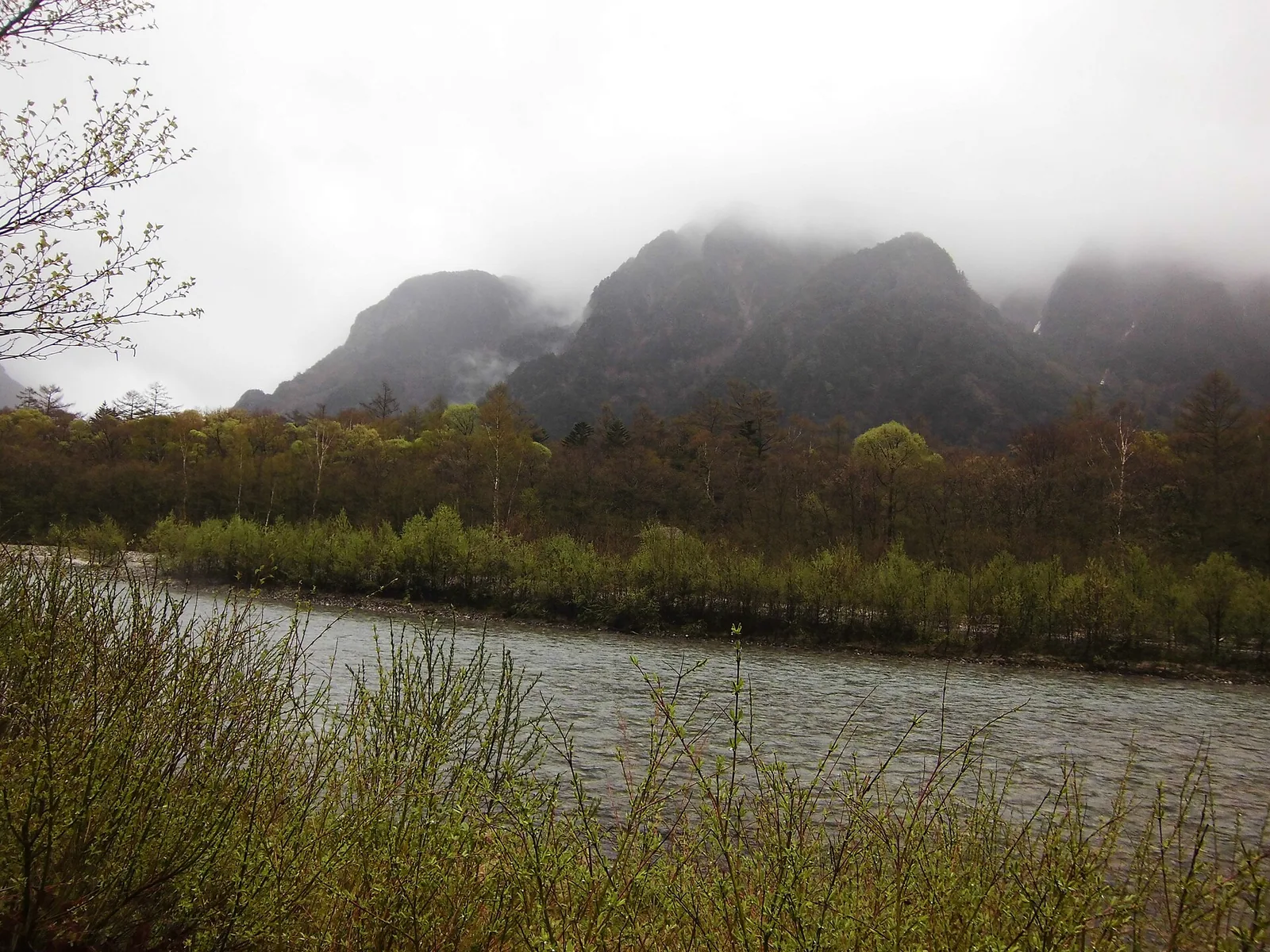
Shinrin-yoku, or "forest bathing", is the Japanese practice of spending time in a forest calmly, using your senses. It isn't exercise or reaching a summit: it's simply being there. Science has found that it reduces stress and may strengthen the immune system.
What is shinrin-yoku?
The term was coined by Japan's Forestry Agency in 1982 to invite people to reconnect with forests. Today Japan has certified forest therapy trails, and it is one of the most studied topics in environmental health.
What happens to the body in the forest?
Park and colleagues (2010) compared people walking in forests with people walking in the city: in the forest, cortisol, pulse and blood pressure dropped. Li and colleagues (2008) found that visiting a forest, but not a city, increased the activity of NK cells (the immune system's "natural killers"), and that the effect lasted more than seven days. One explanation is phytoncides, aromatic compounds released by trees.
How do you go forest bathing?
Without hurry, without your phone and without a goal. Walk slowly, touch the bark, listen to the water, breathe in the smell of wet earth. Two hours are enough to start noticing the change.
Where can you experience it?
In Japan, where the practice was born, ancient pilgrimage routes cross forests of centuries-old cedars. Also in the forests of Norway or the valleys of Kyrgyzstan, where silence does the rest.
Frequently asked questions
- What does shinrin-yoku mean?
- It means "forest bathing": spending time in the forest mindfully and calmly.
- How long do you need to spend in the forest?
- Studies have measured effects from walks of a few hours; effects on the immune system were observed after visits of two or three days.
- Is it the same as hiking?
- No. Hiking is about getting somewhere; forest bathing is about being there.
Related trips


Keep reading
This article is for information only and does not replace consultation with a health professional.
Sources
- Park, B. J. et al. (2010). The physiological effects of Shinrin-yoku. Environmental Health and Preventive Medicine.
- Li, Q. et al. (2008). Visiting a forest, but not a city, increases human natural killer activity and expression of anti-cancer proteins. International Journal of Immunopathology and Pharmacology.