WandernowWandernow
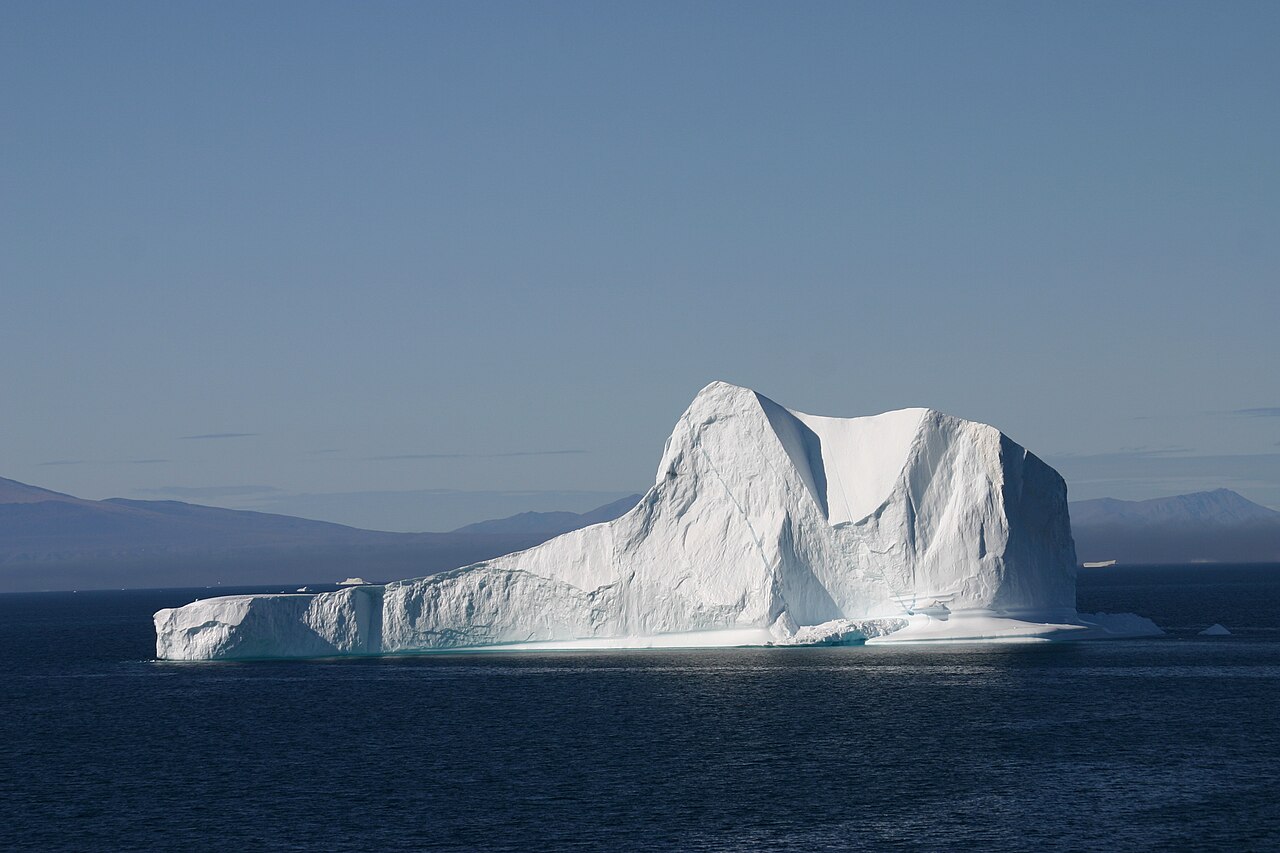
Frente de glaciar y témpanos en un fiordo

SCIENCE

How glaciers form and why they matter

Moving masses of ice that store the past climate and regulate the present one.

4 min read

Glaciers are frozen records of the planet's climate history. They take thousands of years to form, shape entire valleys and support ecosystems found nowhere else.

From snow to ice

It starts with snow that never melts in summer. Layer on layer, pressure squeezes out the air and turns crystals into compact ice. Once the mass is tens of metres thick, it begins to flow under its own weight.

A river that walks

A glacier moves between centimetres and several metres a day. That motion opens crevasses, polishes rock and carries sediment; the U-shaped valleys of Norway or Patagonia are literally its signature.

Why they are crucial

  • They hold around 70% of the planet's fresh water.
  • Their ice cores preserve atmospheric bubbles thousands of years old: the best climate archive we have.
  • They feed rivers that millions depend on across Asia and South America.
  • They reflect solar radiation and help regulate global temperature.

Seeing them while they are here

Iceland, Greenland and Patagonia let you walk on ice with a certified guide and crampons. It is the clearest way to grasp the retreat: your guide will show you where the front stood ten years ago.
In short: questions and answers

What should you know about from snow to ice?

It starts with snow that never melts in summer. Layer on layer, pressure squeezes out the air and turns crystals into compact ice. Once the mass is tens of metres thick, it begins to flow under its own weight.

What should you know about a river that walks?

A glacier moves between centimetres and several metres a day. That motion opens crevasses, polishes rock and carries sediment; the U-shaped valleys of Norway or Patagonia are literally its signature.

Why they are crucial?

They hold around 70% of the planet's fresh water. · Their ice cores preserve atmospheric bubbles thousands of years old: the best climate archive we have. · They feed rivers that millions depend on across Asia and South America. · They reflect solar radiation and help regulate global temperature.

What should you know about seeing them while they are here?

Iceland, Greenland and Patagonia let you walk on ice with a certified guide and crampons. It is the clearest way to grasp the retreat: your guide will show you where the front stood ten years ago.