WandernowWandernow
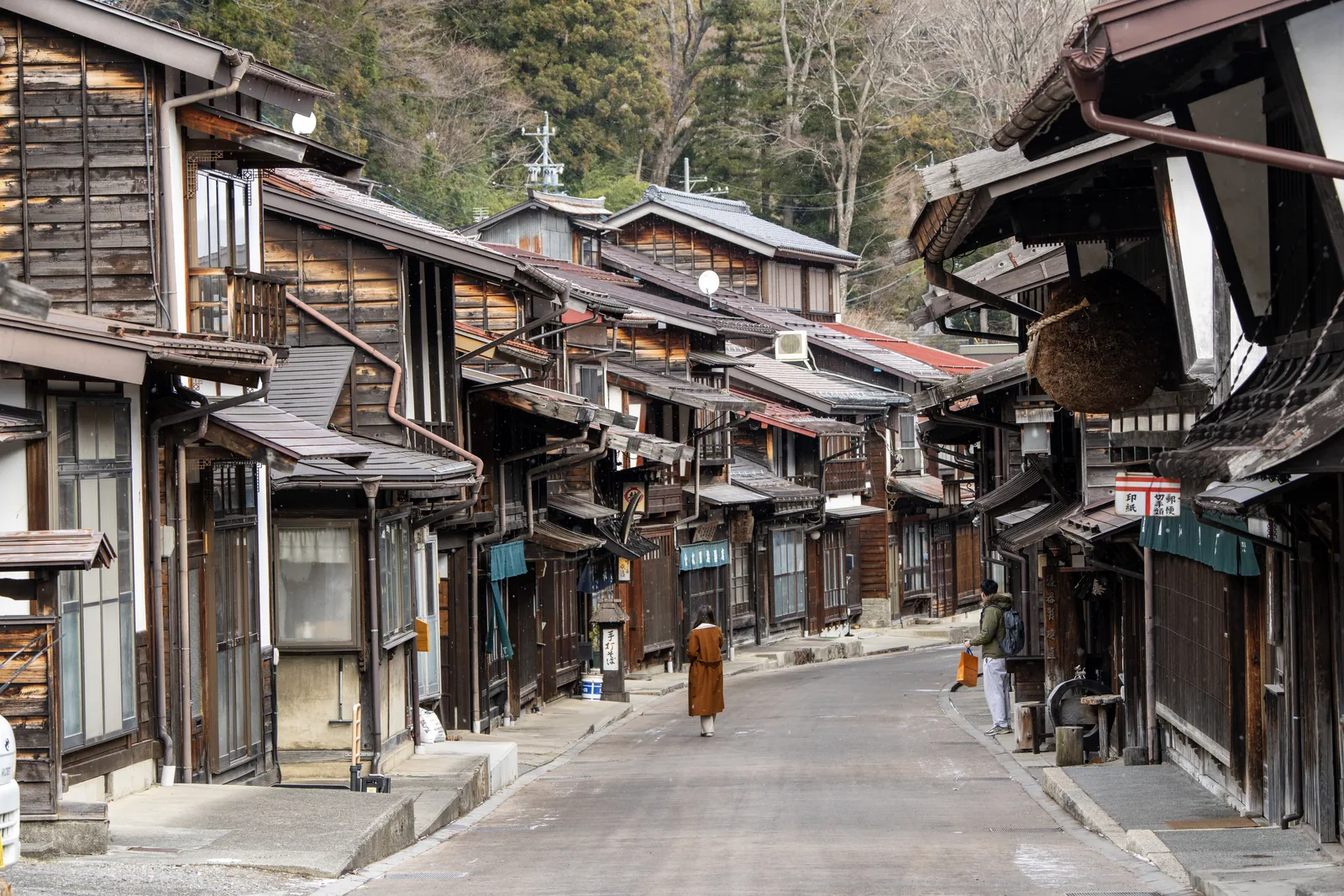
Camino histórico de Nakasendo entre bosque y casas tradicionales japonesas

JAPAN ON FOOT

Nakasendo Trail: what it is, how far you walk and how to prepare

A practical guide to the historic road, its best-known sections and the preparation needed to walk it.

6 min read

Nakasendo was one of the great Edo-period roads, linking Edo—modern Tokyo—with Kyoto through the mountains. Its value today is not completing the entire historic route, but walking preserved sections through forest, stone paths and old post towns.

The Magome–Tsumago section

This is the best-known section in the Kiso Valley: roughly eight kilometres between two historic towns. It usually takes two to three hours, although weather, stops and group pace change the day. Magome to Tsumago offers more descent than the reverse direction.

How much walking the journey includes

  • Kamikochi begins with trails beside the Azusa River.
  • Norikura adds altitude and alpine terrain.
  • Narai-juku and Torii Pass introduce the Kiso Valley's historic landscape.
  • Magome–Tsumago is the emblematic section, not the entire old road.
  • Kyoto closes with urban and shrine walks.
See Japan on Foot: Alps & Nakasendo

How to prepare

  • Train on consecutive walking days, not just one long outing.
  • Use broken-in footwear and carry a light waterproof layer.
  • Practise elevation and stairs before the alpine days.
  • Travel light: luggage forwarding lets you walk with a daypack.

Why this route feels different

Nakasendo is neither a race nor a temple checklist. It is a way to understand Japan at walking pace: inns, wooden towns, forest and mountains between Tokyo and Kyoto.

In short: questions and answers

What should you know about the magome–tsumago section?

This is the best-known section in the Kiso Valley: roughly eight kilometres between two historic towns. It usually takes two to three hours, although weather, stops and group pace change the day. Magome to Tsumago offers more descent than the reverse direction.

How much walking the journey includes?

Kamikochi begins with trails beside the Azusa River. · Norikura adds altitude and alpine terrain. · Narai-juku and Torii Pass introduce the Kiso Valley's historic landscape. · Magome–Tsumago is the emblematic section, not the entire old road. · Kyoto closes with urban and shrine walks.

How to prepare?

Train on consecutive walking days, not just one long outing. · Use broken-in footwear and carry a light waterproof layer. · Practise elevation and stairs before the alpine days. · Travel light: luggage forwarding lets you walk with a daypack.

Why this route feels different?

Nakasendo is neither a race nor a temple checklist. It is a way to understand Japan at walking pace: inns, wooden towns, forest and mountains between Tokyo and Kyoto.