We live with artificial light until late and screens until the last minute. Our internal clock goes out of sync and sleep suffers. A week of natural light and truly dark nights can reset it.
Why do we sleep badly in the city?
Artificial light at night tells the brain it's still daytime. Melatonin, the hormone that prepares the body for sleep, is delayed.
What happens after a few days of natural light?
Wright and colleagues (2013), from the University of Colorado, took a group of people camping for a week without artificial light. Their melatonin began to be released about two hours earlier and their internal clock aligned with the sun's cycle.
Where are the darkest skies?
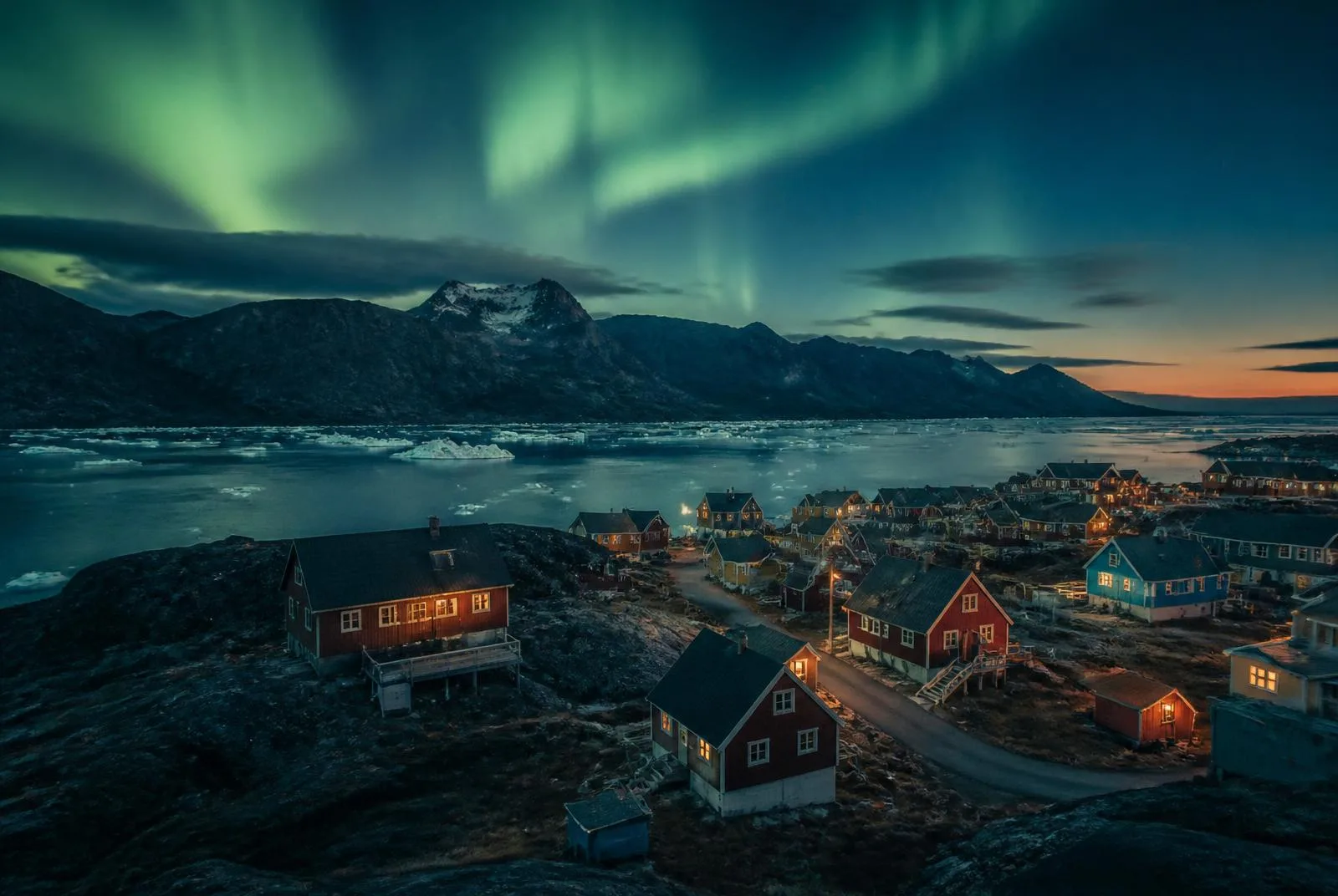
In the desert of Morocco, in Lapland in winter or in Greenland, far from any city. There the sky becomes what it once was: thousands of stars and, in the north, the northern lights.
Frequently asked questions
- Does natural light help you sleep better?
- Yes, it helps synchronize your internal clock with the day-night cycle.
- How many days are needed?
- In Wright's study, one week was enough for a clear change.
- What is light pollution?
- It's excess artificial light that hides the night sky and disrupts the natural rhythm.
Related trips


Keep reading
This article is for information only and does not replace consultation with a health professional.
Sources
- Wright, K. P. et al. (2013). Entrainment of the human circadian clock to the natural light-dark cycle. Current Biology.