WandernowWandernow
Viajero abrigado bajo una aurora boreal

GEAR

How to dress for the Arctic and the northern lights

The layering system that decides whether you enjoy the aurora or head back to the car.

4 min read

Seeing the aurora in Iceland, Norway, Finland or Greenland can mean standing still, at night, outdoors, in wind and temperatures down to −20 °C. It is not the cold that ruins it: it is dressing badly.

1. Layers, layers and more layers
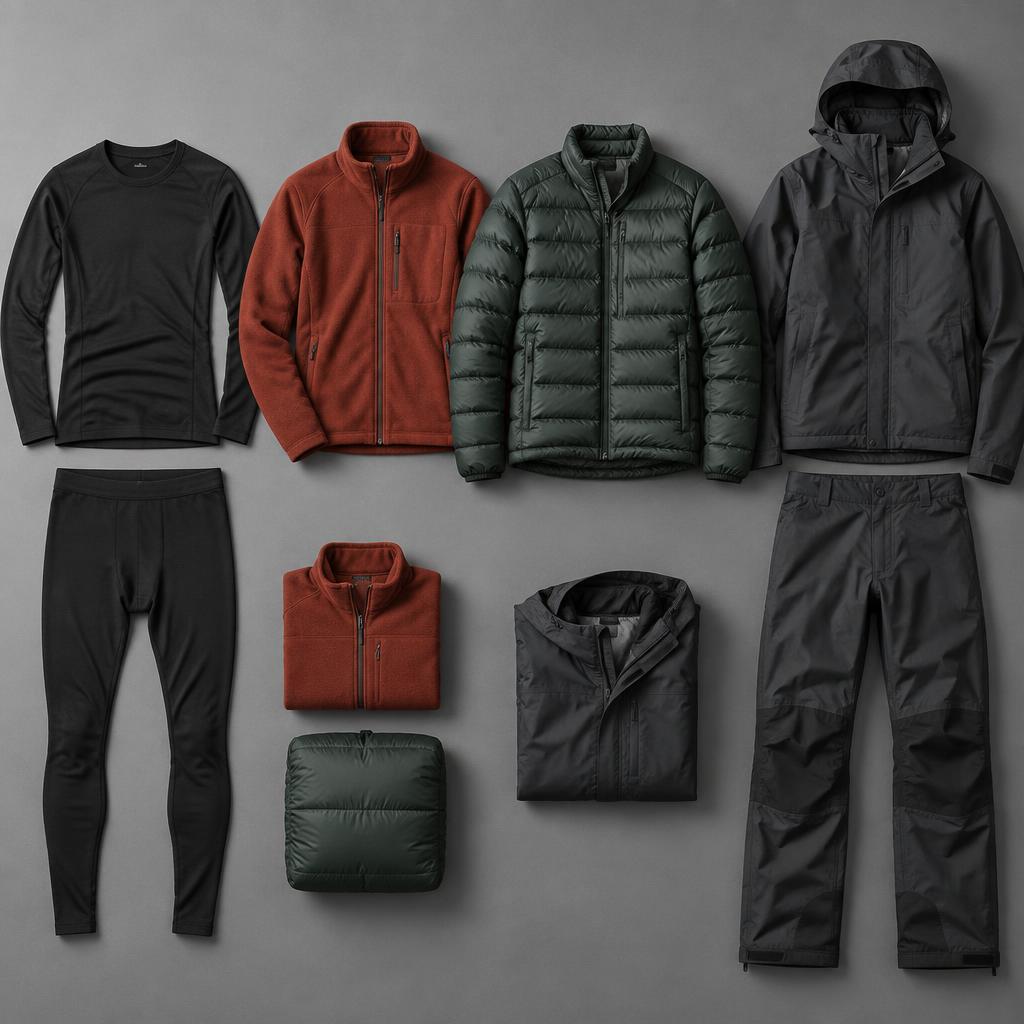
Arctic layering system with thermal base, fleece, down and waterproof shell

A thermal base that wicks moisture (merino or synthetic, never cotton), an insulating mid layer (fleece or light down) and a windproof, waterproof shell. Three layers you can open and close as you move.

2. Extremities first
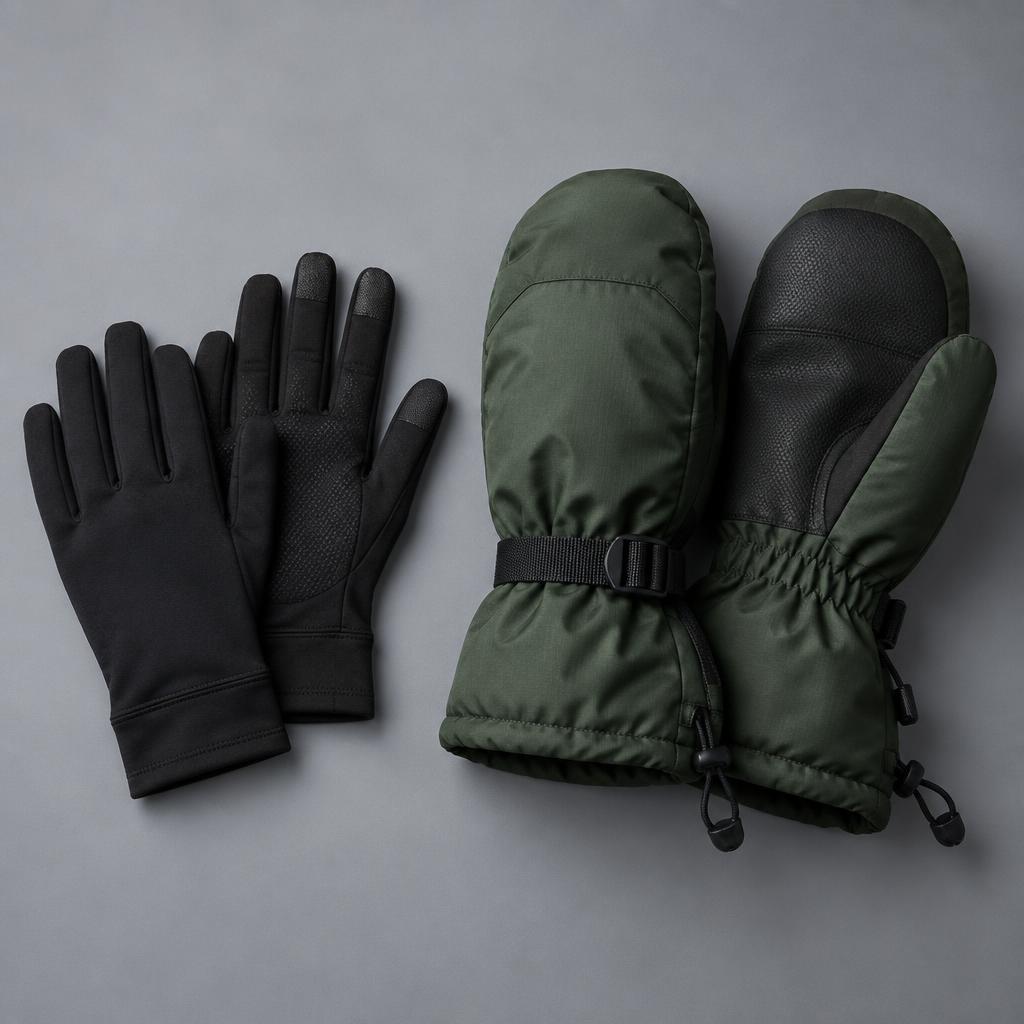
  • Thin liner gloves and thick waterproof mittens
    Two-piece gloves: a thin liner for your phone and a thick mitten over it.
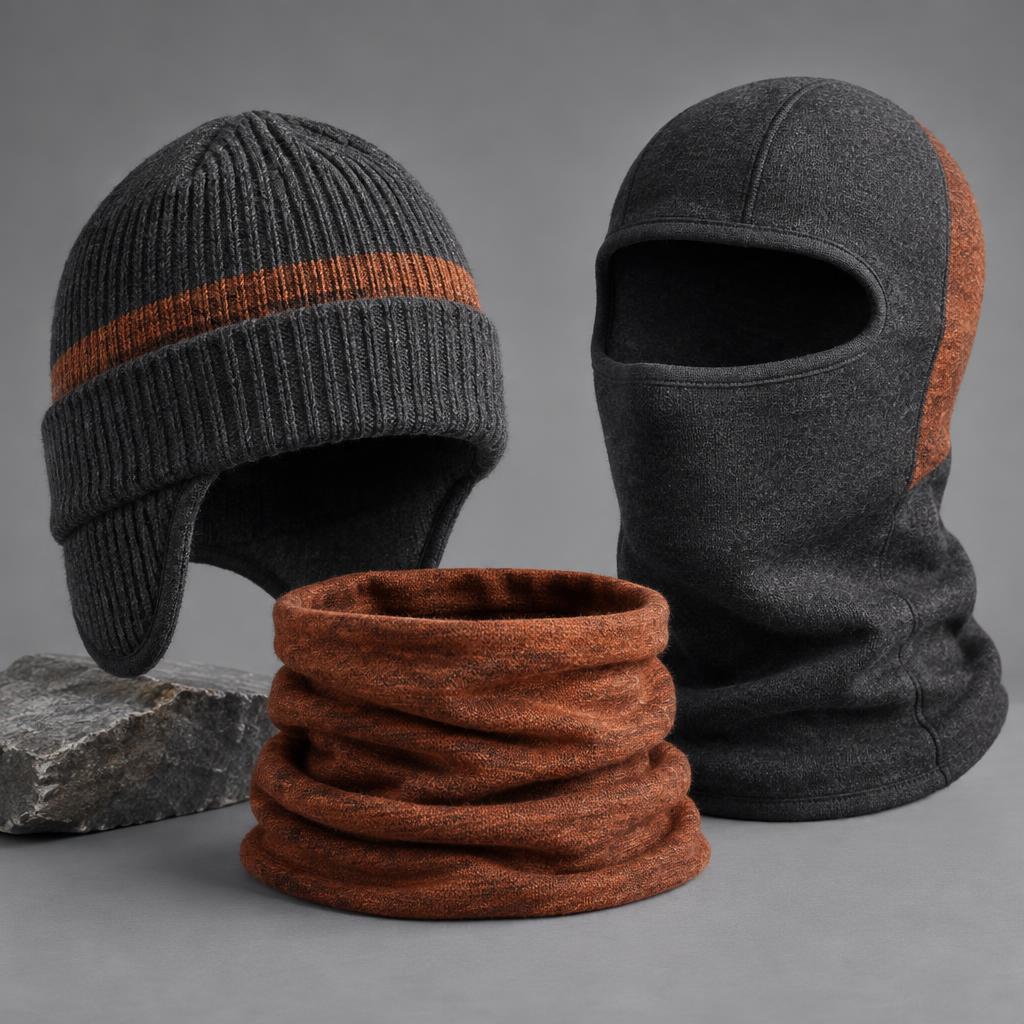
  • Winter hat, neck buff and balaclava
    A hat covering the ears plus a buff or balaclava.
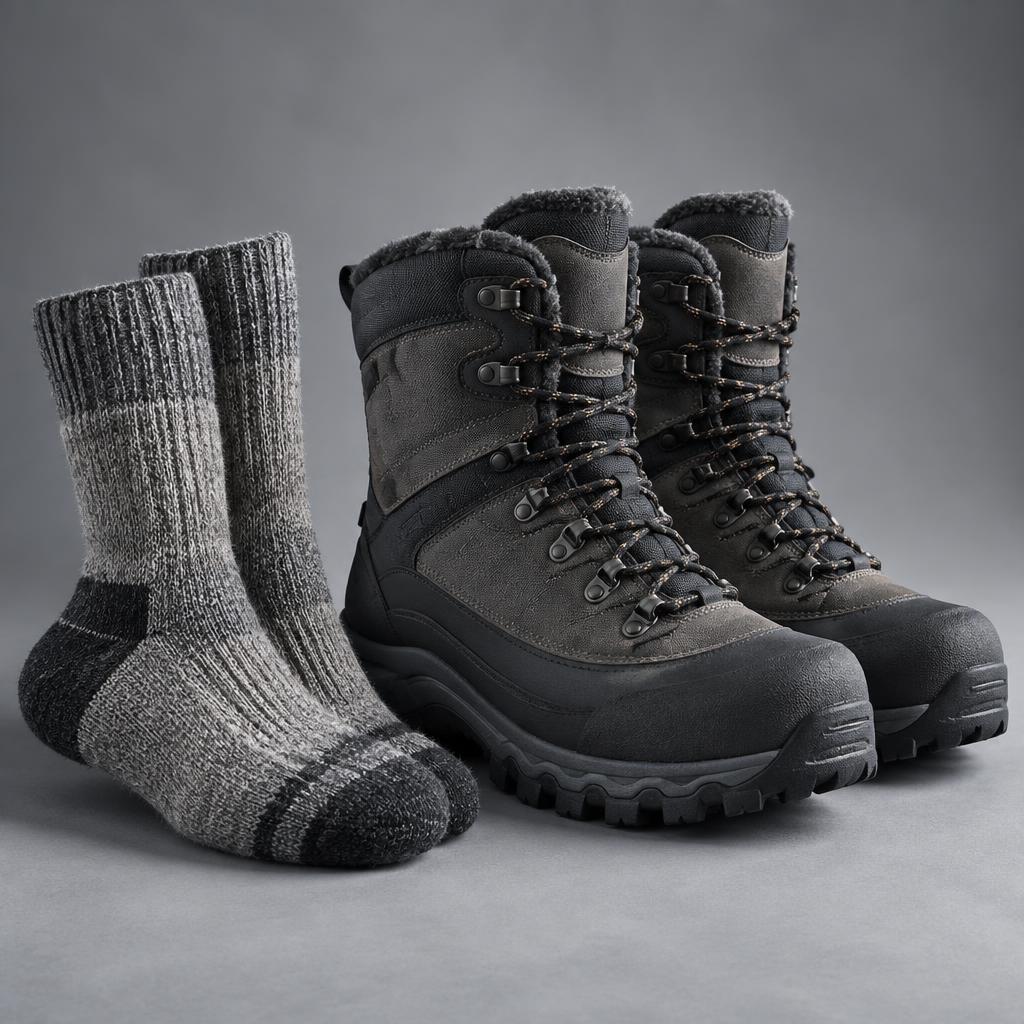
  • Wool socks and waterproof insulated winter boots
    Wool socks (one good pair, not two thin ones) and waterproof insulated boots.
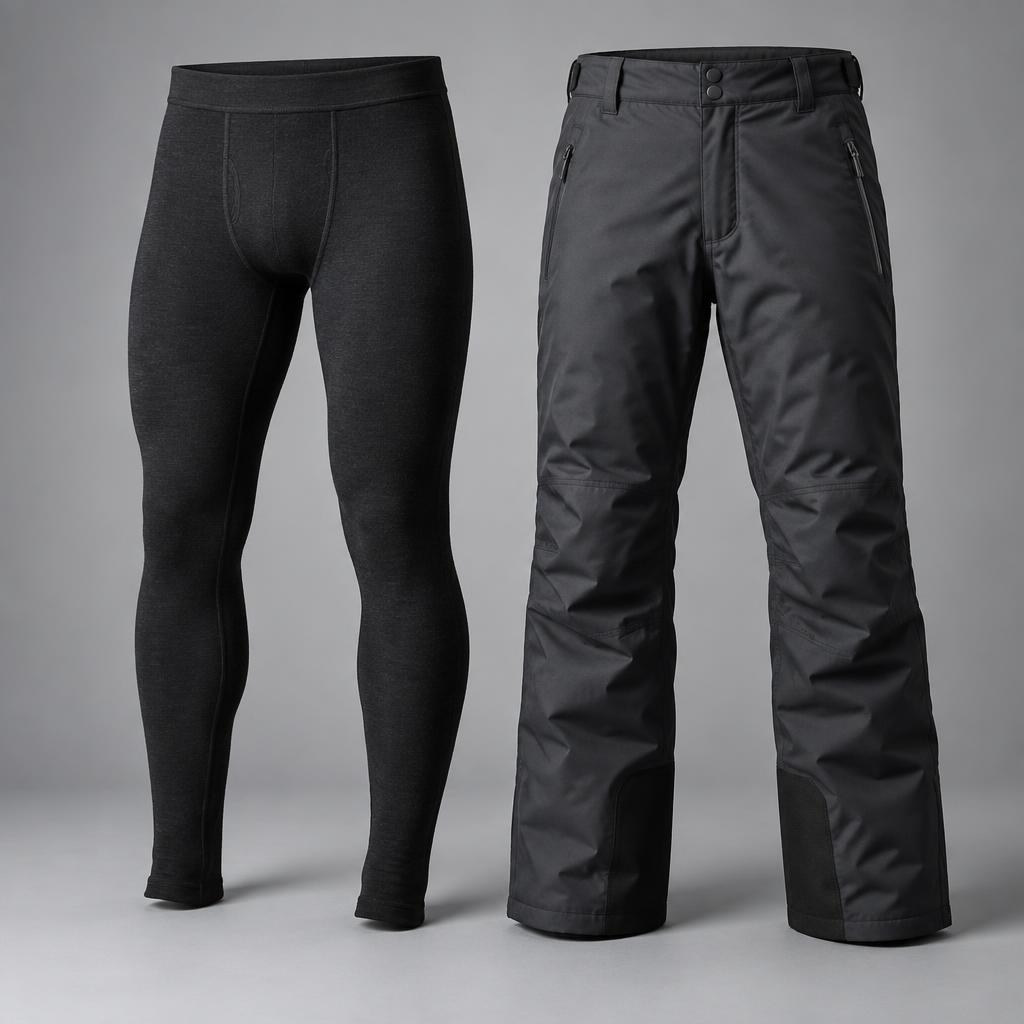
  • Thermal leggings and waterproof outer trousers
    Thermal trousers under a waterproof outer layer.

3. Details that save the night
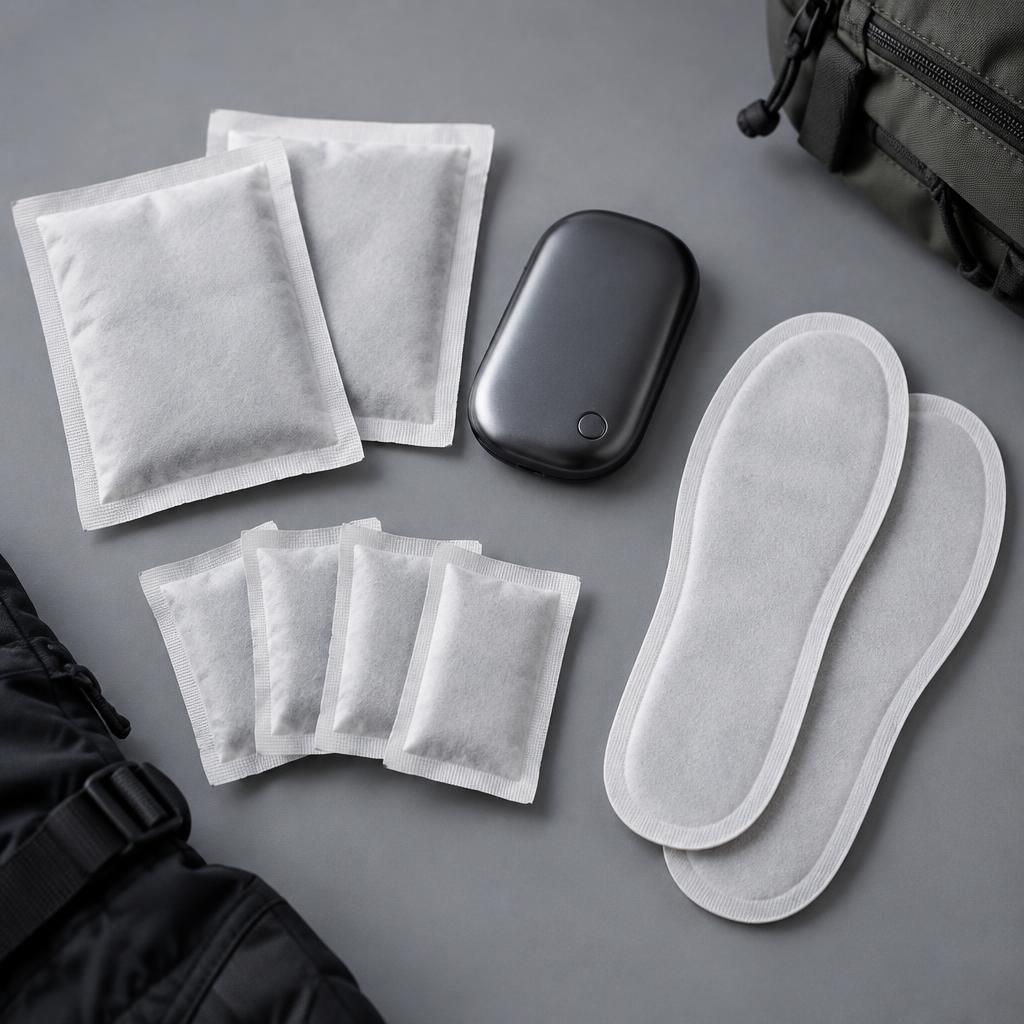
  • Chemical hand and foot warmers for extreme cold
    Chemical hand and foot warmers: weightless and last hours.
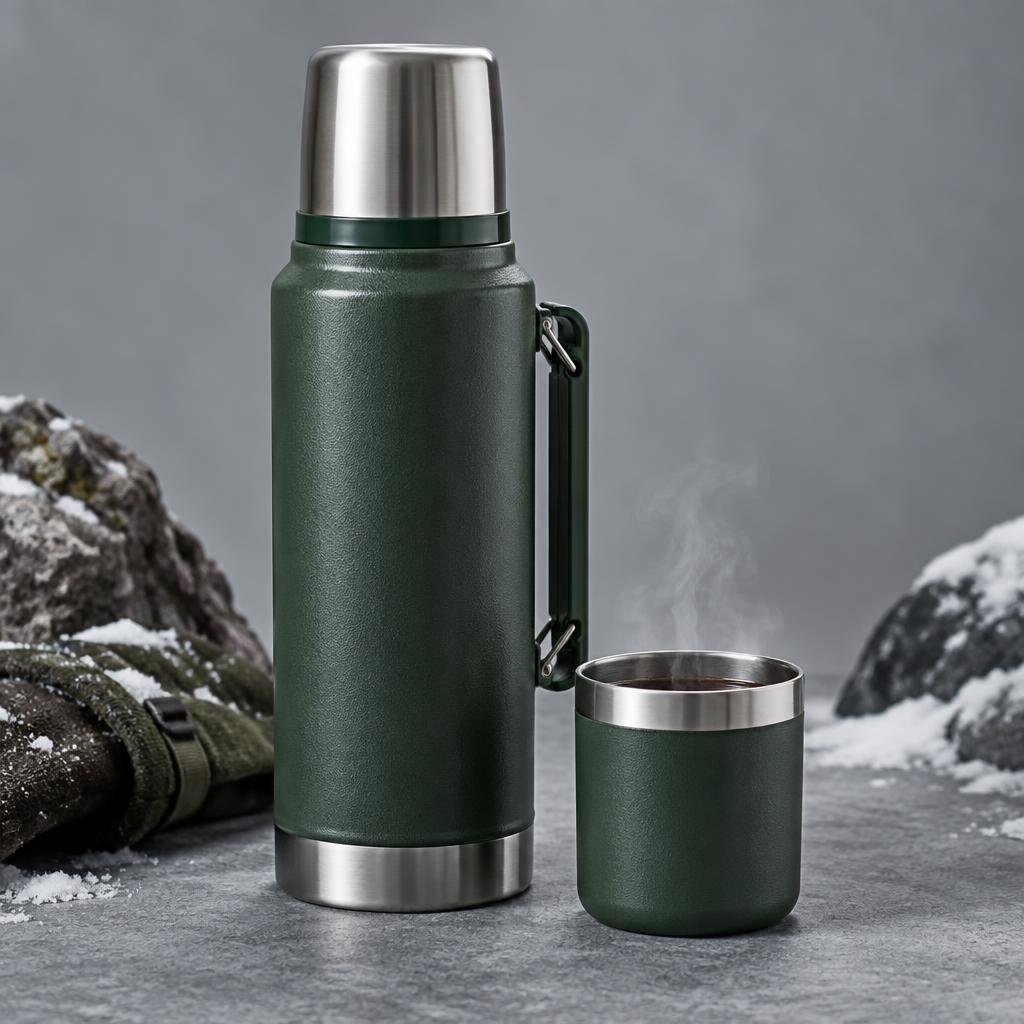
  • Insulated thermos and cup for a hot drink
    A thermos with a hot drink.
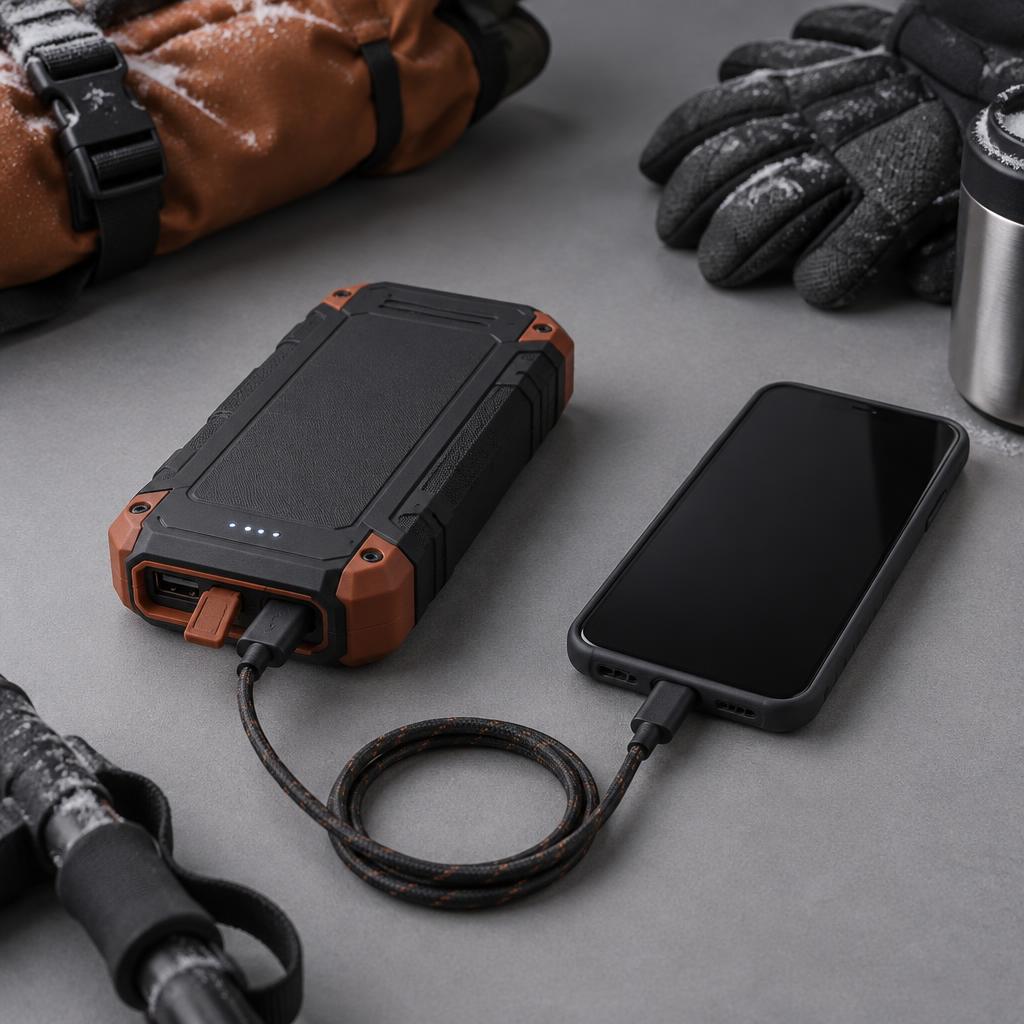
  • Rugged power bank charging a phone
    A power bank: cold drains phone and camera in minutes.
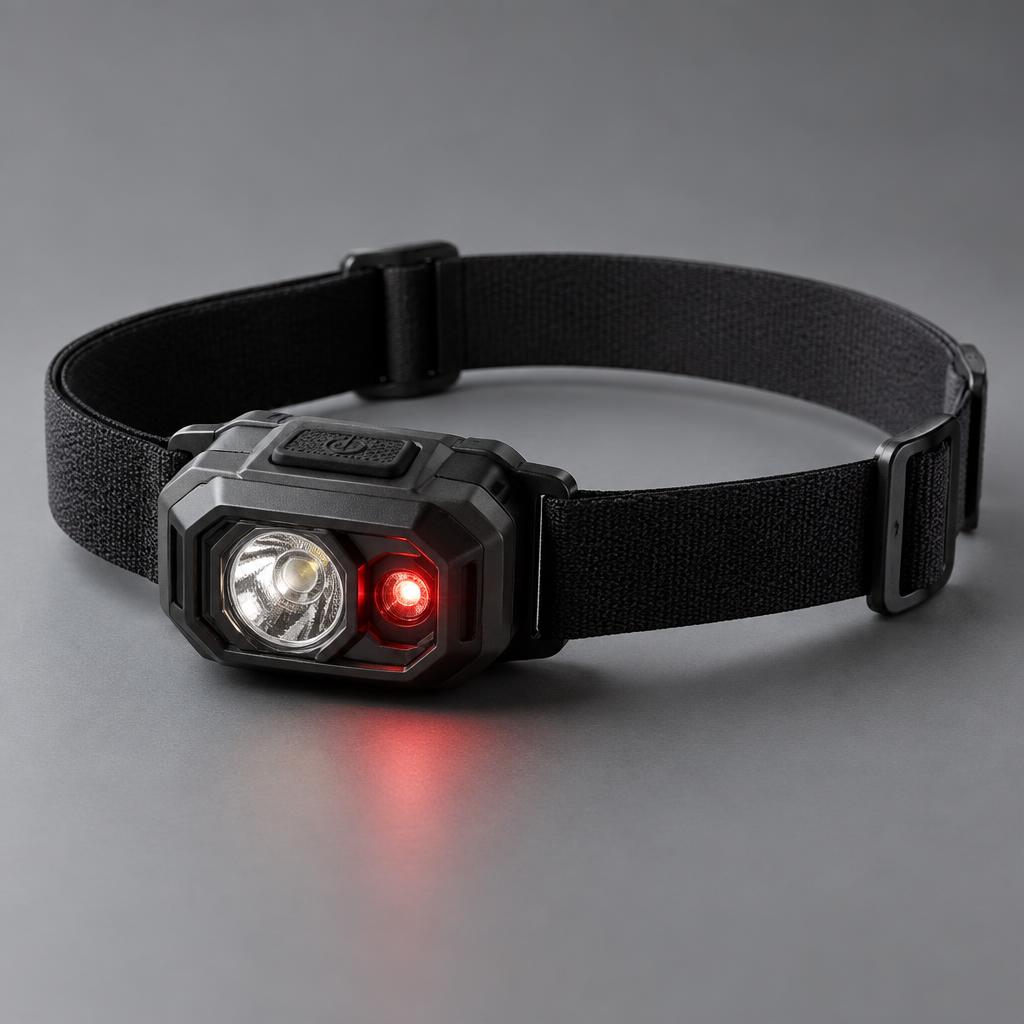
  • Head torch with red-light mode
    A head torch with red light so you do not ruin the group's night vision.

4. Dress for the tripod
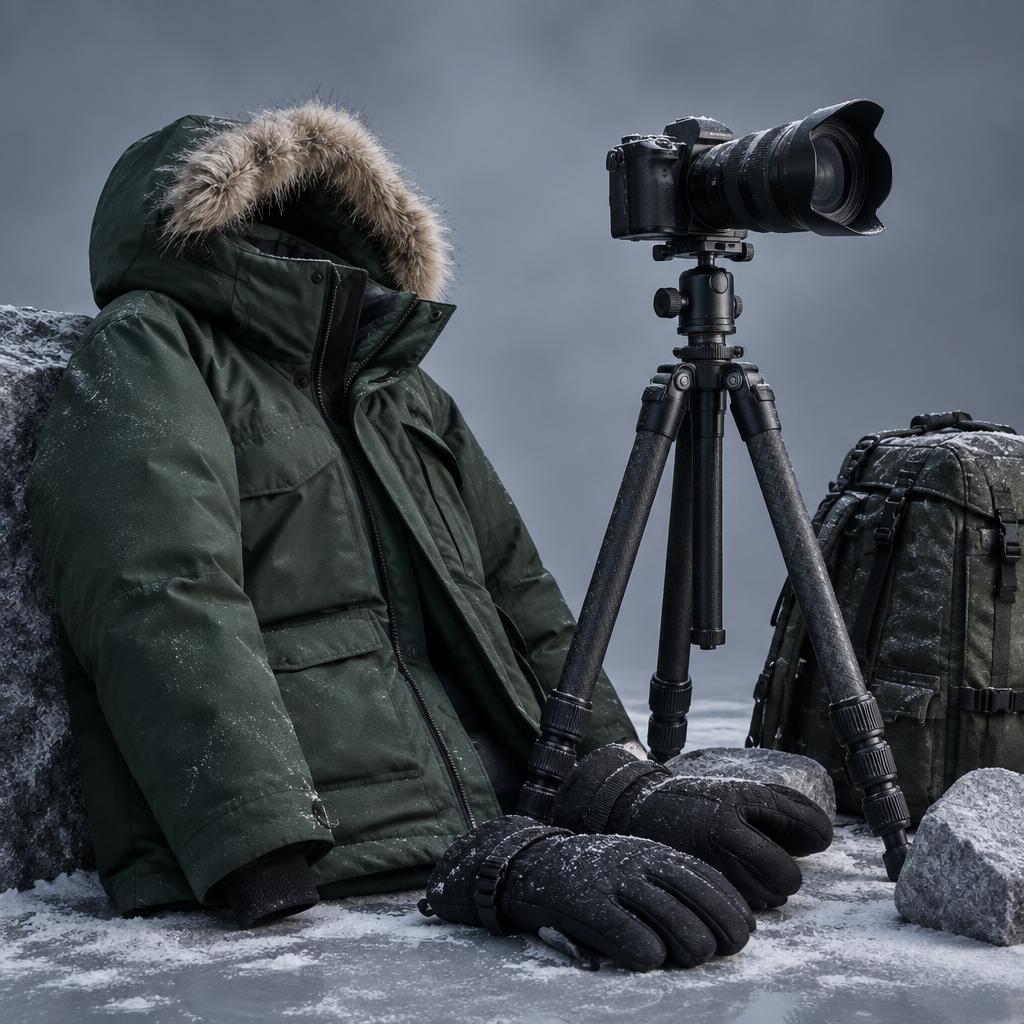
Insulated outer layer beside a camera and tripod for aurora photography

If you plan to photograph, add one more layer than you think you need: shooting the aurora means standing still for an hour. What keeps you warm walking will not keep you warm waiting.
In short: questions and answers

What should you know about 1. layers, layers and more layers?

A thermal base that wicks moisture (merino or synthetic, never cotton), an insulating mid layer (fleece or light down) and a windproof, waterproof shell. Three layers you can open and close as you move.

What should you know about 4. dress for the tripod?

If you plan to photograph, add one more layer than you think you need: shooting the aurora means standing still for an hour. What keeps you warm walking will not keep you warm waiting.