WandernowWandernow
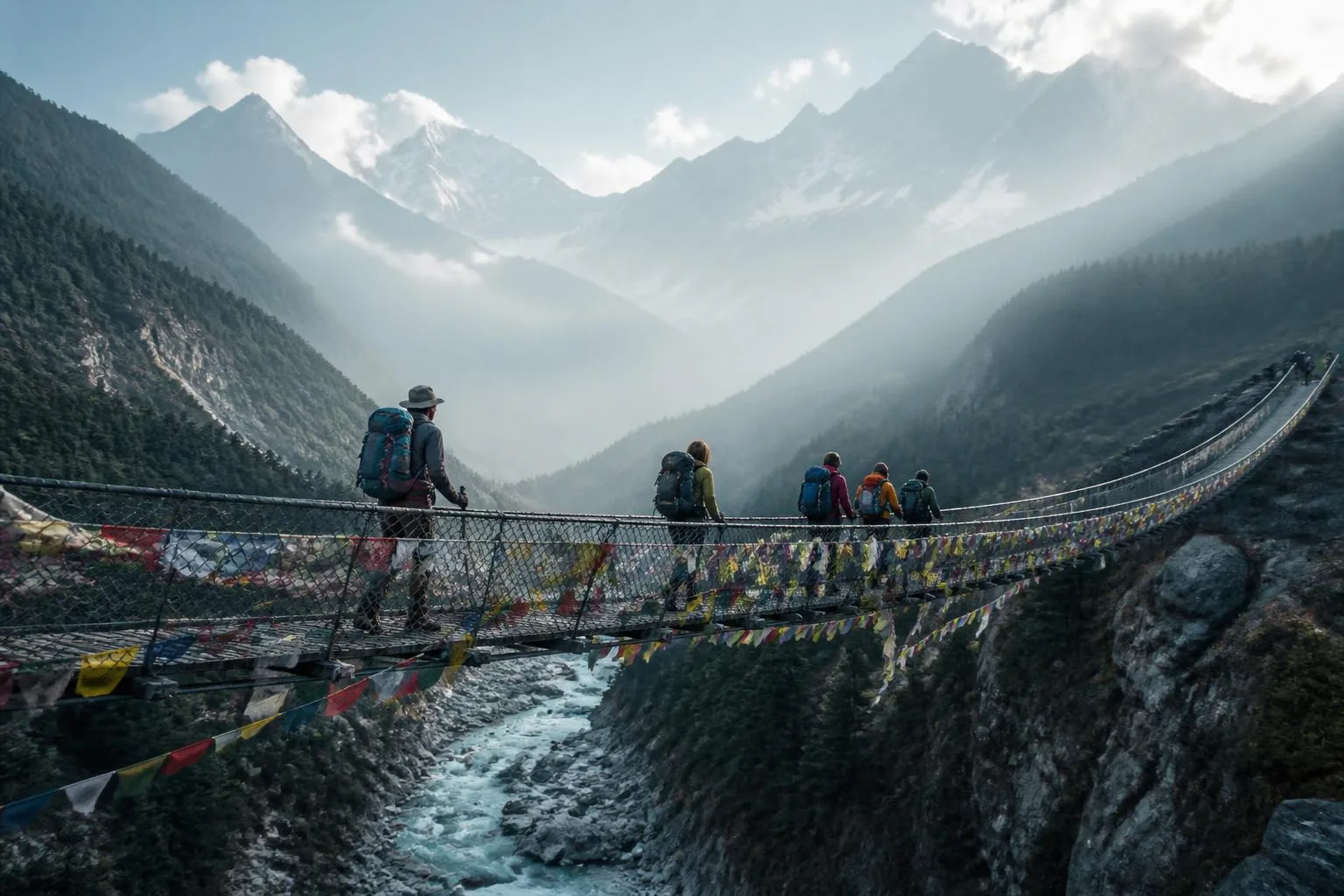
Caminantes ascendiendo un sendero de alta montaña

PREPARATION

How to train for any trek

A realistic twelve-week plan to arrive strong, healthy and enjoying every day.

5 min read

Trekking is not mountaineering: you do not need to be an athlete, you need consistency. The mind trains first, because a trek is a goal you commit to long before boarding.

Twelve weeks, three fronts

  • Cardio: 3 sessions a week of 45–60 min (brisk walking, cycling, easy jogging). Increase volume 10% weekly.
  • Strength: 2 sessions of legs, glutes and core. Squats, lunges, step-ups and planks are enough.
  • Long walk: 1 outing a week with a pack, building from 8 to 18 km and 5 to 10 kg.

Train the descent

Most trekking injuries happen going down, not up. Practise long descents with poles and work eccentric quad strength: your knees will thank you on day 6.

Test all your gear first

Boots broken in over at least 60 km, final socks, pack fitted and loaded with real weight. Nothing new on departure day.

Altitude

You cannot train it at home, you manage it on route: gradual ascent, constant hydration, conversational pace and acclimatisation days respected. Our Nepal and Pakistan itineraries already build in those margins.

Signs you are ready

You can walk 15 km with a pack on Saturday and get up on Sunday without crippling pain. That is the standard, not the gym.

In short: questions and answers

What should you know about twelve weeks, three fronts?

Cardio: 3 sessions a week of 45–60 min (brisk walking, cycling, easy jogging). Increase volume 10% weekly. · Strength: 2 sessions of legs, glutes and core. Squats, lunges, step-ups and planks are enough. · Long walk: 1 outing a week with a pack, building from 8 to 18 km and 5 to 10 kg.

What should you know about train the descent?

Most trekking injuries happen going down, not up. Practise long descents with poles and work eccentric quad strength: your knees will thank you on day 6.

What should you know about test all your gear first?

Boots broken in over at least 60 km, final socks, pack fitted and loaded with real weight. Nothing new on departure day.

What should you know about altitude?

You cannot train it at home, you manage it on route: gradual ascent, constant hydration, conversational pace and acclimatisation days respected. Our Nepal and Pakistan itineraries already build in those margins.

What should you know about signs you are ready?

You can walk 15 km with a pack on Saturday and get up on Sunday without crippling pain. That is the standard, not the gym.